
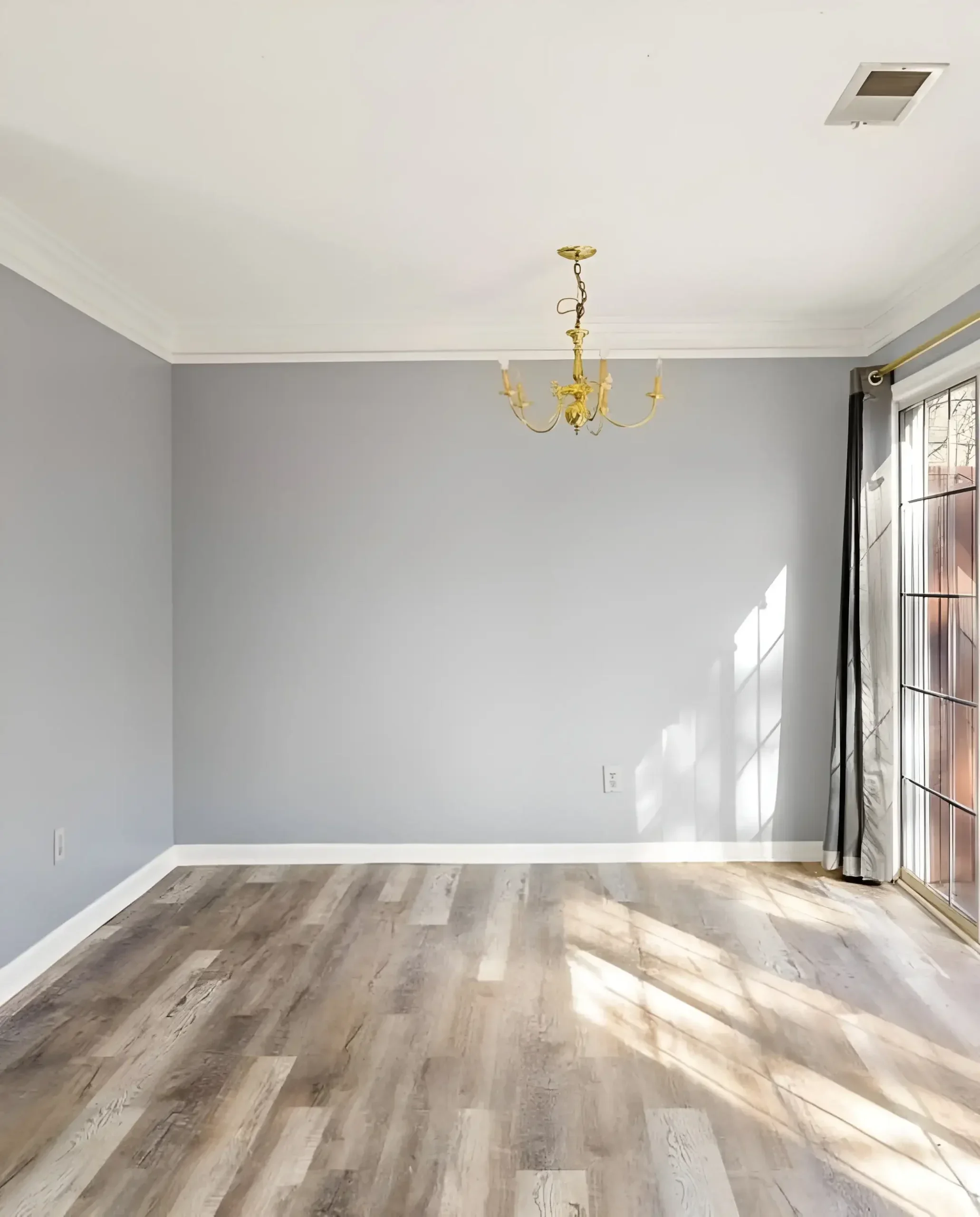
Smart home renovation involves integrating automated systems, networked appliances, and digital controls directly into residential layouts. Upgrading living areas with connected technology optimizes energy usage, improves physical security, and matches daily routines. Property owners often execute these improvements during standard remodeling projects to hide wiring and position control panels effectively. Following the complete home renovation guide, homeowners can plan these upgrades around their specific needs.
Planning a technology-centered remodel requires balancing aesthetic design with digital infrastructure. Industry data from Statista shows that smart home market penetration continues to rise across residential sectors. Building a connected environment involves selecting protocols that communicate efficiently without straining local Wi-Fi networks.
Understanding Digital Infrastructure Needs
Establishing a dependable digital foundation prevents connectivity drops across automated devices. Modern households require strong Wi-Fi coverage, structured wiring conduits, and reliable power supplies behind every wall plate. Field experience shows that installing physical Ethernet cables for stationary electronics reduces wireless network congestion significantly, while coordinating these upgrades with roofing service requirements can support a more complete renovation plan.
Planning for future upgrades means running extra conduit pipes during drywall installation stages. Smart lighting switches, automated window shades, and security sensors draw continuous power or require specific neutral wires. Evaluating electrical panel capacity before launching a project prevents expensive mid-construction delays.
Integrating Automated Lighting and Climate Systems
Automated lighting fixtures adjust color temperature and intensity based on natural daylight patterns. Dimmer modules and occupancy sensors reduce electricity waste by turning off fixtures in empty rooms. A report by the U.S. Department of Energy highlights that programmable thermostats reduce annual heating and cooling expenses by managing indoor temperatures automatically.
Zoned climate control systems direct conditioned air only to occupied rooms. Motorized vents and smart thermostats communicate to balance temperatures across different floors.
| System Type | Primary Benefit | Typical Installation Requirement |
|---|---|---|
| Smart Thermostats | Energy efficiency | C-wire or dedicated power adapter |
| Automated Lighting | Convenience and savings | Neutral wire at switch boxes |
| Motorized Shades | Solar heat gain control | Pre-wired power or rechargeable batteries |
Selecting Security and Access Control Upgrades
Physical safety measures protect residences through automated locks, video doorbells, and perimeter sensors. Keyless entry systems allow homeowners to grant temporary access to visitors remotely. Integrating these security points with interior automation triggers specific lighting paths when exterior cameras detect movement.
Window and glass break sensors communicate with central hubs to alert occupants instantly. Local storage options for security footage keep private data secure from external cloud vulnerabilities. Positioning cameras correctly avoids blind spots while respecting neighbor privacy boundaries, while incorporating finished basement service considerations can help maintain consistent security coverage throughout the property.
Bonus Tips for Successful Upgrades
Field Tip: Label every low-voltage wire and circuit breaker clearly during rough-in phases to simplify future troubleshooting.
Field Tip: Choose devices that support open-source communication standards to prevent compatibility issues between different brands.
Things to Consider Before Making a Decision
Evaluating household technology needs requires careful thought regarding long-term usability and hardware maintenance.
- Network Bandwidth: Assess internet service provider speeds to ensure the router handles multiple connected gadgets simultaneously.
- User Interfaces: Select control panels and mobile applications that every household member operates easily without complex instructions.
- Privacy Controls: Review data collection policies of hardware manufacturers to protect household routines from unauthorized access.
- Hardware Lifespan: Invest in established communication protocols like Zigbee or Z-Wave that maintain functionality over many years.
How to Execute Modern Home Improvements Properly
Executing technical upgrades demands careful coordination between carpenters, electricians, and low-voltage technicians. Coordinating schedules prevents workers from damaging concealed wiring during drywall finishing stages. Testing every circuit before sealing wall cavities ensures the entire network functions reliably.
Evaluating Modern Living Spaces
Smart home renovation projects succeed when technology serves practical daily needs rather than adding unnecessary complexity. Upgrading physical layouts with connected systems improves energy efficiency and long-term property value. A home renovation company can help property owners match digital tools to specific lifestyle requirements while maintaining clean aesthetic lines.
Partner With Us for Your Next Project
Planning a major residential update involves balancing advanced technology with solid construction standards. We bring decades of hands-on experience to every project, ensuring your living areas meet high functional benchmarks. Reach out to Rivas Renovations at rivasrenovationsinc@gmail.com or call (470) 875-8102 to schedule a consultation and request a free quote for your upcoming property updates.
Common Questions About Connected Remodeling
How do smart devices impact residential property values?
Connected technology increases buyer appeal by offering verified energy savings and modern security features. Properties featuring integrated wiring and automated systems sell faster in competitive markets.
Are wired automation systems better than wireless options?
Wired setups offer superior reliability and speed without relying on Wi-Fi strength. Wireless options provide flexibility for retrofitting existing walls without major structural demolition work.
What happens to smart systems during a power outage?
Most automated hubs require backup battery units to maintain basic functions during blackouts. Mechanical door locks and standard wall switches continue operating normally without electrical power.
How can homeowners protect smart networks from cyber threats?
Securing home networks requires changing default router passwords and creating separate guest networks for IoT devices. Updating firmware regularly closes security vulnerabilities against external digital intrusions.
Do automated systems require professional installation?
Basic smart plugs and bulbs install easily without professional help. Complex lighting circuits, motorized shades, and security panels require certified electricians to ensure safety compliance.
Sources
- Statista – Market research data tracking global smart home adoption rates and revenue growth trends across residential sectors.
- U.S. Department of Energy – Federal guidelines detailing energy savings achieved through programmable thermostats and automated climate control systems.