
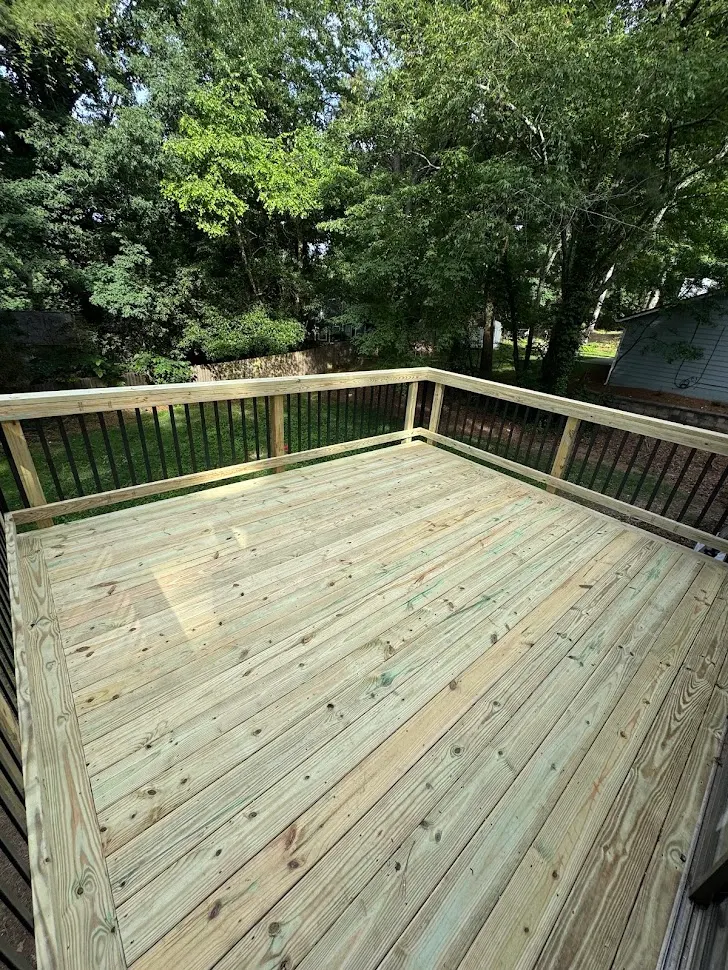
Capped polymer and composite boards perform best in heavy rain or freeze-thaw zones, aluminum and tropical hardwoods excel in intense heat, and pressure-treated pine serves mild climates at a lower upfront cost. Matching board chemistry to local sun, rain, and seasonal temperature shifts prevents premature warping, fading, and decay.
With hands-on outdoor building experience across changing southern climates, Rivas Renovations helps homeowners pick the best decking materials for lasting performance. This guide compares material durability across wet, hot, and freezing environments.
How Rain, Sun, and Freezing Temperatures Stress Deck Boards
Outdoor surfaces face steady physical strain from moisture absorption, ultraviolet radiation, and rapid temperature shifts. Research by the Forest Products Laboratory under the USDA Forest Service shows wood decay begins only after internal moisture crosses roughly 30 percent fiber saturation, while UV rays degrade surface lignin and rain swells wood fibers.
Temperature swings place equal stress on synthetic boards. Technical guidance published by the North American Deck and Railing Association notes that deck surfaces can experience swings above 100 degrees Fahrenheit between cool mornings and summer afternoons, driving continuous expansion and contraction across joints and fasteners.
Material Performance Across Four Major Weather Zones
High Humidity and Heavy Rain Climates
Persistent rain and shade trap dampness inside porous wood fibers, encouraging fungal rot and surface mildew. Selecting weather-resistant decking with a non-porous polymer cap blocks moisture entry and keeps boards stable through wet seasons.
Dense tropical hardwoods such as Ipe also resist rot naturally because tight grain structure limits water absorption. Pressure-treated Southern Pine remains practical in wet zones only when sealed regularly with penetrating water-repellent preservatives rather than peeling surface paints.
Bonus Tip: Maintain 3/16-inch to 1/4-inch spacing between boards and sweep away fallen leaves each season so rainwater drains cleanly instead of pooling on shaded joints.
Intense Heat and High UV Regions
Strong afternoon sunlight bleaches natural wood to silver-gray and makes dark synthetic plastics uncomfortable underfoot. Light-toned mineral-core composites, cedar, and powder-coated aluminum dissipate solar heat faster and resist UV chalking.
Aluminum planks stay remarkably cool in direct sun and never crack or splinter under arid conditions. Homeowners choosing cedar or redwood in sunny yards should apply penetrating oil stains with UV inhibitors every one to two years.
Freeze-Thaw and Snow-Heavy Zones
When trapped rainwater freezes inside wood grain, ice expansion splits fibers and loosens nails or screws. Modern composite decking materials pair rigid polymer or mineral cores with protective shells that shed melted snow without internal splitting.
Solid PVC boards absorb near-zero moisture, keeping surfaces reliable around icy steps and hot tub splash zones. Fastening synthetic planks with sliding hidden clips accommodates seasonal length changes without snapping screw heads.
Bonus Tip: Clear winter accumulation using a plastic snow shovel and calcium chloride ice melt rather than metal blades or rock salt to avoid gouging protective surface caps.
Weather Durability and Resale Value by Material
Project costs and property resale returns shape material decisions alongside climate demands. According to the 2025 Cost vs. Value Report from the Journal of Light Construction, wood deck additions average $18,263 with a 95 percent resale recovery, while composite additions average $25,096 with an 89 percent return.
When Rivas Renovations prepares deck installation solutions, our builders weigh local storm exposure, framing span limits, and maintenance goals together.
| Material Type | Best Climate Match | Moisture Resistance | Heat Retention in Sun | Annual Upkeep |
|---|---|---|---|---|
| Pressure Treated Pine | Mild or dry regions | Moderate with sealing | Low to moderate | Clean and seal every 1 to 2 years |
| Cedar or Redwood | Sunny or mild climates | Moderate natural tannins | Low surface heat | Penetrating UV stain every 1 to 2 years |
| Capped Composite | Wet and freeze-thaw zones | High with full cap | Moderate to high in dark shades | Soap and water rinse twice yearly |
| Solid PVC | Coastal rain and heavy snow | Very high near zero intake | Moderate in light tones | Simple seasonal washing |
| Powder Coated Aluminum | Extreme sun and coastal air | Impervious to rot | Very low cooling fast | Occasional water rinse |
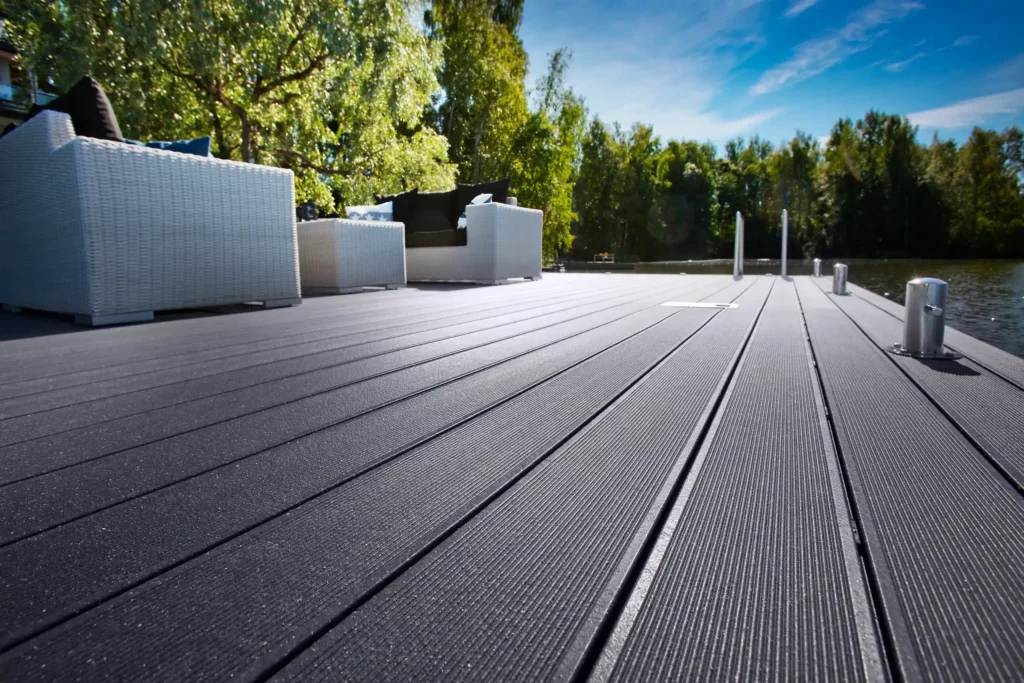
What Should Homeowners Evaluate Before Choosing a Deck Surface?
Reviewing four site conditions before ordering lumber or synthetic planks prevents costly weather wear later:
- Yard Shade and Airflow: Damp, tree-covered yards favor polymer-capped boards or aluminum, while open sunny lots help treated wood dry fast.
- Sun Exposure and Barefoot Comfort: West-facing decks bake in summer heat, making light colors, cedar, or aluminum safer for pets and bare feet.
- Substructure Ventilation: Composite and PVC boards require proper ground clearance and tight 12-inch or 16-inch joist spacing to prevent sagging.
- Budget Versus Maintenance Time: Treated wood lowers upfront spending, while synthetic boards trade higher initial pricing for minimal yearly chores.
Matching Your Climate to the Right Deck Surface
No single plank fits every backyard across wet, arid, or freezing regions. Pairing moisture barriers, UV-stable finishes, and proper board spacing with your local forecast prevents warping and protects framing hardware over decades of outdoor living.
Evaluate your yard shade, seasonal temperature range, and maintenance schedule before finalizing material orders. Careful selection helps ensure the best decking materials deliver safe footing, lasting color, and steady property value.
Request a Material and Project Estimate
Planning a new outdoor build or resurfacing worn boards? Rivas Renovations matches framing specs and surface materials to your yard’s sun, rain, and drainage conditions with transparent timelines. Call us at (470) 875-8102 or email rivasrenovationsinc@gmail.com to request your free quote and compare durable material samples in person.
Common Questions About Weather and Deck Surfaces
How does coastal salt air affect deck fasteners and boards?
Salt spray corrodes standard coated screws rapidly, so coastal builds require 316 marine-grade stainless steel fasteners paired with non-porous PVC, aluminum, or dense tropical hardwood planks.
Which deck colors stay coolest during peak summer heat?
Light gray, pale tan, and weathered driftwood tones reflect solar radiation effectively, keeping walking surfaces noticeably cooler underfoot than dark charcoal, espresso, or redwood shades.
Why do wood deck boards cup upward after wet summers?
Cupping occurs when damp air beneath low decks swells board undersides while hot sunlight dries and shrinks top faces, pulling outer board edges upward away from joists.
Do hidden fasteners perform well in freezing winter climates?
Stainless steel or heavy polymer hidden clips grip grooved board edges while allowing lengthwise thermal movement, preventing screw heads from snapping during sharp winter temperature drops.
Can older wood deck frames support new composite boards?
Resurfacing works only when existing joists stay free of decay and meet tighter 12-inch or 16-inch spacing standards required by synthetic board manufacturers.
Sources
- USDA Forest Service – Federal forestry agency homepage hosting Forest Products Laboratory research on wood moisture, UV weathering, and outdoor finishes.
- North American Deck and Railing Association – Trade organization homepage publishing technical guidance on deck thermal movement, weather durability, and structural safety.
- Journal of Light Construction – Residential building publication homepage featuring annual Cost vs. Value project costs and resale return data.