
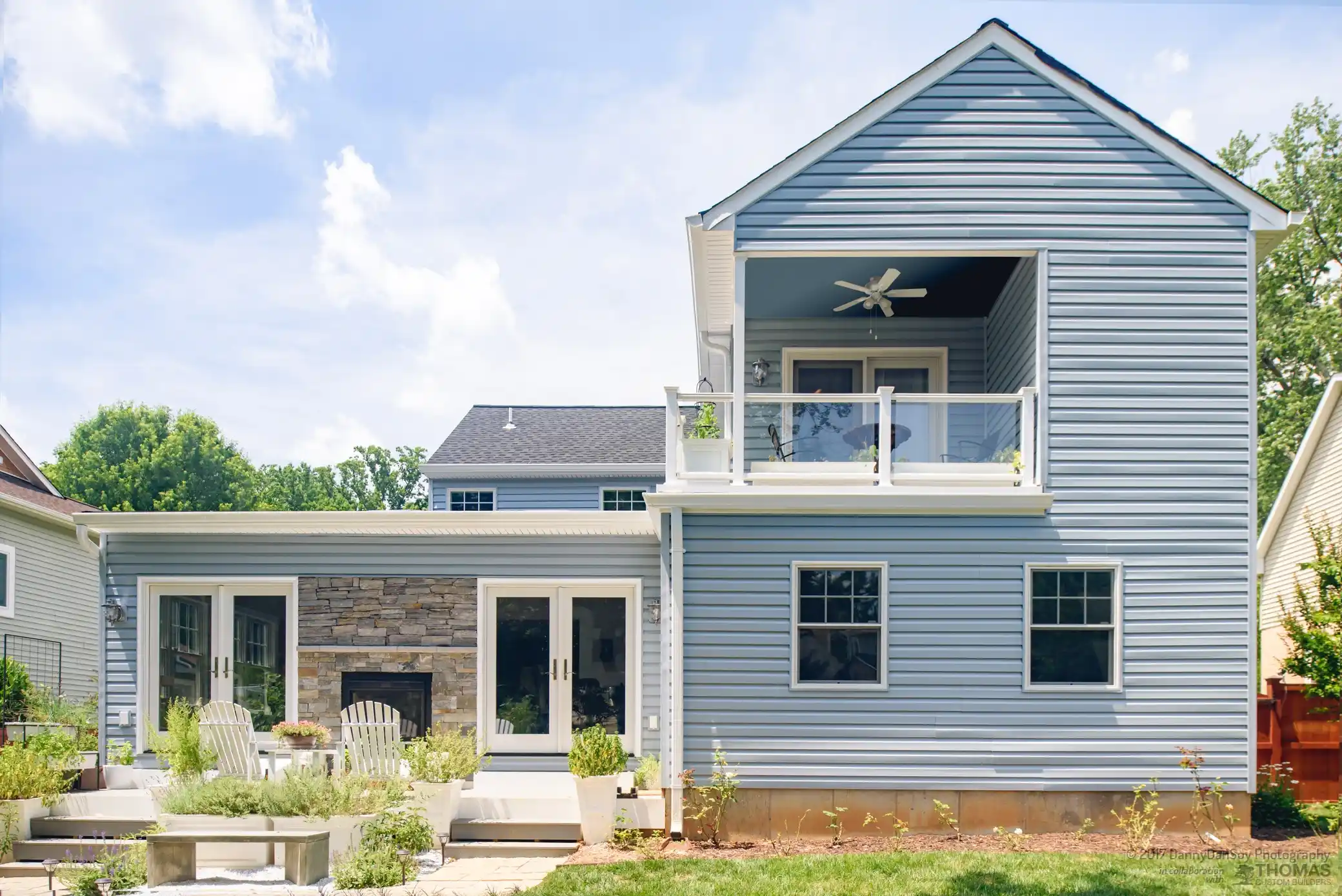
Deciding to renovate an entire home is a massive undertaking that sits somewhere between an exciting creative project and a complex logistical puzzle. Most owners start with a simple desire: more space, a modern kitchen, or perhaps a primary suite that feels like a retreat. However, the gap between that initial vision and a finished, high-quality home is filled with thousands of small decisions, budget trade-offs, and technical requirements.
When you approach a renovation with a clear strategy, you move beyond mere cosmetic changes. You begin to solve deep-seated functional problems, such as poor traffic flow or inadequate lighting, while simultaneously building long-term equity. A well-executed remodel doesn’t just make a house look better; it changes how you live in your space and how much that space is worth in a competitive market.
This guide serves as a comprehensive resource for the entire renovation process. It is built on years of direct experience in the construction industry, where Rivas Renovations has seen firsthand what makes a project succeed and what causes it to stall. Whether you are updating a historic property or modernizing a mid-century ranch, the principles of planning, budgeting, and execution remain the same.
In the following sections, you will learn how to:
- Set a realistic budget and prioritize high-ROI projects.
- Develop a design that balances personal style with timeless appeal.
- Plan a logical construction sequence to avoid costly rework.
- Select the right materials and professional partners.
- Maintain your sanity during the disruptive construction phase.
By the time you finish this guide, you will have a roadmap to turn a dated property into a functional, stylish home that serves your needs for years to come.
Defining Your Renovation Goals and ROI
Before picking up a sledgehammer or visiting a tile showroom, you must define the “why” behind your project. Renovations typically fall into three categories: lifestyle improvements, necessary maintenance, or preparing for a sale. Your primary motivation will dictate where you spend your money and which features you prioritize.
If your goal is to increase property value, you should look at what the market expects in your neighborhood. Over-improving a home beyond the ceiling of your local area can lead to a situation where you don’t recoup your investment. According to the 2024 Cost vs. Value Report from Remodeling Magazine, exterior replacements and modest kitchen updates often yield some of the highest returns on investment.
Value-Driving Projects
Not all rooms are created equal in the eyes of an appraiser. Kitchens and bathrooms remain the primary drivers of home value. A kitchen that is open to the living area, features durable quartz countertops, and includes energy-efficient appliances will almost always appeal to future buyers. Similarly, converting an unused attic into a bedroom or adding a second bathroom can significantly move the needle on your home’s asking price.
Functional Improvements
Sometimes the best renovation isn’t about what you see, but how the house works. This includes updating electrical panels to handle modern appliances, replacing old galvanized plumbing, or adding insulation. These “invisible” renovations might not be as exciting as a new backsplash, but they prevent future disasters and lower monthly utility bills.
Key Takeaway: The 10% Rule As a general guideline, a kitchen renovation should cost between 10% and 15% of your home’s total value. Spending significantly more than this may not be recouped at sale, while spending significantly less might result in a finish quality that feels subpar for the property.
Planning the Budget and Financing
Budgeting is where most renovation dreams meet reality. It is also the stage where most projects go off the rails. A successful budget isn’t just a total number; it is a line-item breakdown of labor, materials, permits, and, most importantly, a contingency fund.
The Contingency Fund
No matter how well you plan, opening up walls will reveal surprises. You might find outdated wiring, termite damage, or plumbing that isn’t up to code. You should always set aside 15% to 20% of your total budget for these unexpected costs. If you don’t use it, you can spend it on high-end furniture or landscaping at the end of the project.
Financing Options
How you pay for your renovation depends on your equity and cash flow. Common methods include:
- Cash Savings: The safest way to renovate, as it avoids interest.
- HELOC (Home Equity Line of Credit): A flexible option that allows you to draw funds as needed and only pay interest on what you use.
- Home Equity Loan: A lump-sum loan with a fixed interest rate.
- Cash-Out Refinance: Replacing your current mortgage with a larger one and taking the difference in cash.
Budget Allocation Table
| Category | Percentage of Total Budget | Includes |
|---|---|---|
| Cabinetry & Hardware | 25% – 35% | Kitchen cabinets, vanities, pulls |
| Labor & Installation | 20% – 30% | Demolition, carpentry, plumbing, electrical |
| Appliances | 10% – 15% | Fridge, stove, dishwasher, vent hood |
| Flooring & Tile | 10% – 15% | Hardwood, LVP, tile, grout |
| Countertops | 10% | Quartz, granite, or butcher block |
| Permits & Design | 5% | Architect fees, city permits |
| Contingency | 15% – 20% | Unexpected repairs and changes |
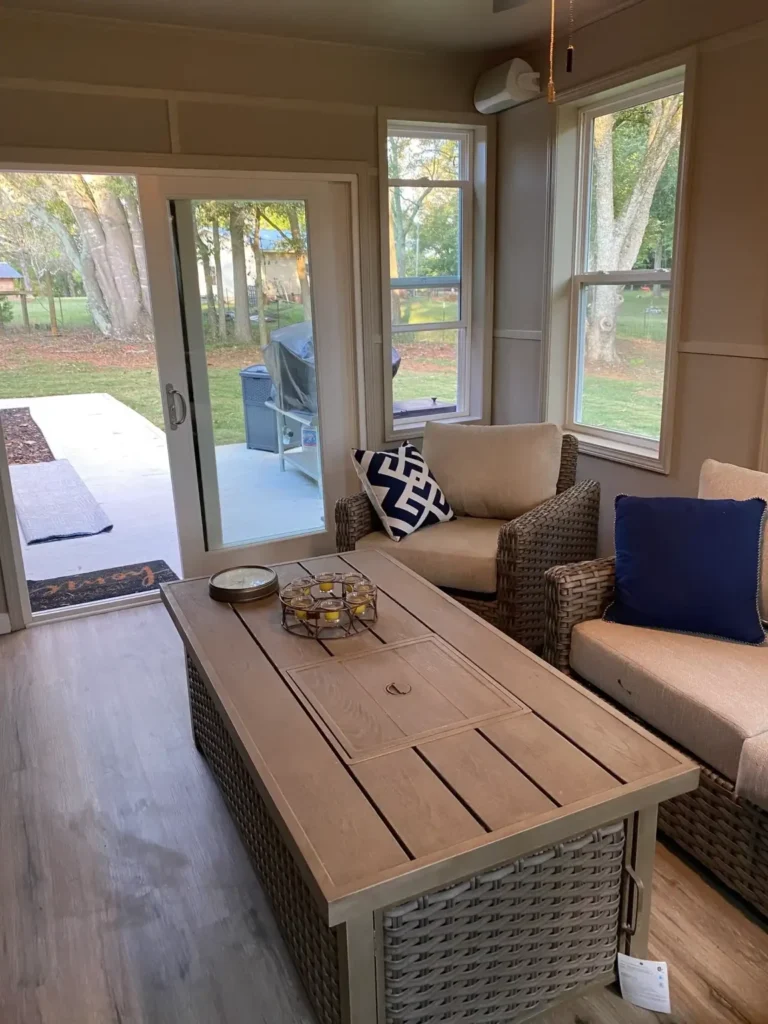
Designing for Function and Style
Design is more than choosing paint colors. It is about spatial planning and ergonomics. A beautiful kitchen is frustrating if the refrigerator is too far from the stove or if there isn’t enough counter space next to the sink.
The Work Triangle and Flow
In kitchen design, the “work triangle” connects the sink, the stove, and the refrigerator. The goal is to keep these three points close enough for efficiency but far enough apart to avoid crowding. Beyond the kitchen, consider how people move through the house. Are there narrow hallways that create bottlenecks? Does the front door open directly into the living room without a landing strip for keys and coats?
Choosing a Style: Trendy vs. Timeless
It is tempting to follow the latest trends seen on social media. However, permanent fixtures like flooring, cabinetry, and tile should lean toward timeless styles. You can express your personality through “low-stakes” items like paint, light fixtures, and hardware, which are easy to change in five or ten years.
Expert Tip: If you’re struggling to choose a color palette, look at the “60-30-10” rule. 60% of the room should be a dominant neutral color, 30% a secondary color, and 10% an accent color.
Lighting Design
A common mistake in home additions is relying on a single overhead light in the center of the room. A professional-grade lighting plan uses three layers:
- Ambient: General overhead lighting (recessed cans or a chandelier).
- Task: Focused light for specific activities (under-cabinet lights or desk lamps).
- Accent: Lighting that highlights architectural features or art (sconces or picture lights).
Navigating the Construction Sequence
One of the biggest contributors to renovation stress is a lack of understanding regarding the timeline. Construction must happen in a specific order. If you install the floors before the drywall is sanded, you risk ruining your brand-new hardwoods with dust and dropped tools.
Phase 1: Demolition and Structural
This is the “messy” phase. Walls come down, old flooring is ripped up, and the house is stripped to the studs if necessary. If you are moving walls, this is when the structural headers are installed.
Phase 2: Rough-In (Mechanicals)
Once the layout is set, the plumbers, electricians, and HVAC technicians come in. They run pipes, wires, and ductwork through the open walls. This is your last chance to add an extra outlet or change the location of a light switch before the drywall goes up.
Phase 3: Drywall and Painting
The “grey” phase. Hanging, taping, and mudding drywall takes time because each coat must dry before being sanded. Once the walls are smooth, the first coat of paint is usually applied.
Phase 4: Finish Carpentry and Cabinetry
Now the house starts to look like a home. Cabinets are installed, followed by baseboards, window trim, and crown molding. This requires precision and a steady hand.
Phase 5: Countertops and Flooring
Countertops are usually templated after the cabinets are in place. While the stone is being cut at the shop, flooring is often installed. Once the counters arrive, they are set, and the backsplash follows.
Phase 6: Final Trim and “Punch List”
The final phase includes installing light fixtures, plumbing trim (faucets and showerheads), and appliance hookups. The “punch list” is a final walkthrough where you identify small scratches, missing paint, or loose cabinet doors that need a final touch-up.
Selecting Durable and Sustainable Materials
The materials you choose will determine how well your home ages. While budget-friendly options exist, some items are worth the “splurge” because of their durability and impact on property value.
Flooring Options
- Engineered Hardwood: Offers the beauty of real wood but with better stability against moisture and temperature changes.
- Luxury Vinyl Plank (LVP): Extremely durable, waterproof, and ideal for homes with pets or children.
- Porcelain Tile: Harder and less porous than ceramic, making it the best choice for high-traffic entryways and bathrooms.
Countertop Materials
According to a survey from the National Association of Home Builders, quartz remains the most popular countertop material for its non-porous nature and resistance to staining. Granite is still a strong contender for those who prefer natural stone, though it requires periodic sealing.
Energy Efficiency and Sustainability
Homebuyers are increasingly looking for homes that are inexpensive to maintain. Upgrading to double-pane windows, LED lighting, and low-flow plumbing fixtures can reduce energy consumption. Additionally, using “green” materials like reclaimed wood or low-VOC (volatile organic compound) paints improves indoor air quality.
Expert Tip: When choosing paint, always test a large swatch on at least two different walls. Colors look completely different at 10:00 AM in natural light than they do at 8:00 PM under artificial bulbs.
Hiring the Right Team
Unless you are a professional tradesperson, you will need to hire help. The quality of your renovation depends entirely on the people doing the work.
Architect or Designer vs. Contractor
An architect or interior designer focuses on the “what” and “why”, the layout, the aesthetics, and the blueprints. A general contractor focuses on the “how,” the logistics, the sub-contractors, and the physical build. For a complete home renovation, you often need both.
Vetting Professionals
Never hire a contractor based on the lowest bid alone. A “too-good-to-be-true” price often means the contractor is uninsured, using sub-par materials, or planning to hit you with change orders later.
- Check Licenses and Insurance: Ensure they have general liability and workers’ compensation insurance.
- Read Reviews and Check References: Ask to see photos of finished work and, if possible, talk to a past client about their experience with communication and timelines.
- The Contract: A professional contract should include a detailed scope of work, a payment schedule tied to milestones, and a clear policy on how changes to the project will be handled.
Managing the Renovation Experience
Living through a renovation is difficult. The dust, the noise, and the constant presence of workers can be draining. If you are renovating your entire home, Rivas Renovations often recommends moving out for the duration of the “heavy” phases (demolition through drywall) if your budget allows.
Communication is Key
Establish a primary point of contact and a preferred method of communication (email, text, or phone). Regular “site meetings” once a week can help address small issues before they become major problems.
Protecting Your Belongings
Before work begins, remove everything from the work zones. Pack up breakables and cover furniture in non-renovated rooms with heavy-duty plastic sheeting. If the HVAC system is running, make sure the contractor uses high-quality filters and changes them frequently to keep dust from circulating.
Handling Change Orders
A “change order” is a formal amendment to the contract when you decide to add work or change a material selection mid-project. Always get these in writing with a clear price and a signature. Verbal agreements are the leading cause of disputes at the end of a job.
Key Takeaway: The Value of Patience. Quality craftsmanship takes time. Rushing a contractor during the “finishing” stages often leads to visible mistakes in paint, trim, and tile. Focus on the end goal and allow the pros the time they need to do the job correctly.
Increasing Property Value: What Really Matters
While you should build a home that you enjoy, keeping an eye on resale value is a smart financial move. Data from the National Association of Realtors suggests that curb appeal and updated interiors are the biggest factors in a quick sale.
The Power of Curb Appeal
First impressions happen at the curb. A new front door, updated siding, and professional landscaping can provide a massive boost to your home’s perceived value. If the outside looks neglected, buyers assume the inside is too, regardless of how beautiful the kitchen is.
Smart Home Integration
Adding smart thermostats, video doorbells, and integrated security systems is a relatively low-cost way to make a home feel modern and high-tech. These features are becoming standard expectations in many markets.
Storage Solutions
You can never have too much storage. During a renovation, look for ways to add built-in shelving, “dead space” cabinets under stairs, or walk-in pantry systems. These organizational features are highly attractive to families.
Expert Tip: Don’t forget the outlets! During the rough-in phase, add outlets inside bathroom drawers (for hair dryers) and inside kitchen pantries (for charging vacuums or small appliances). These small touches add immense daily convenience.
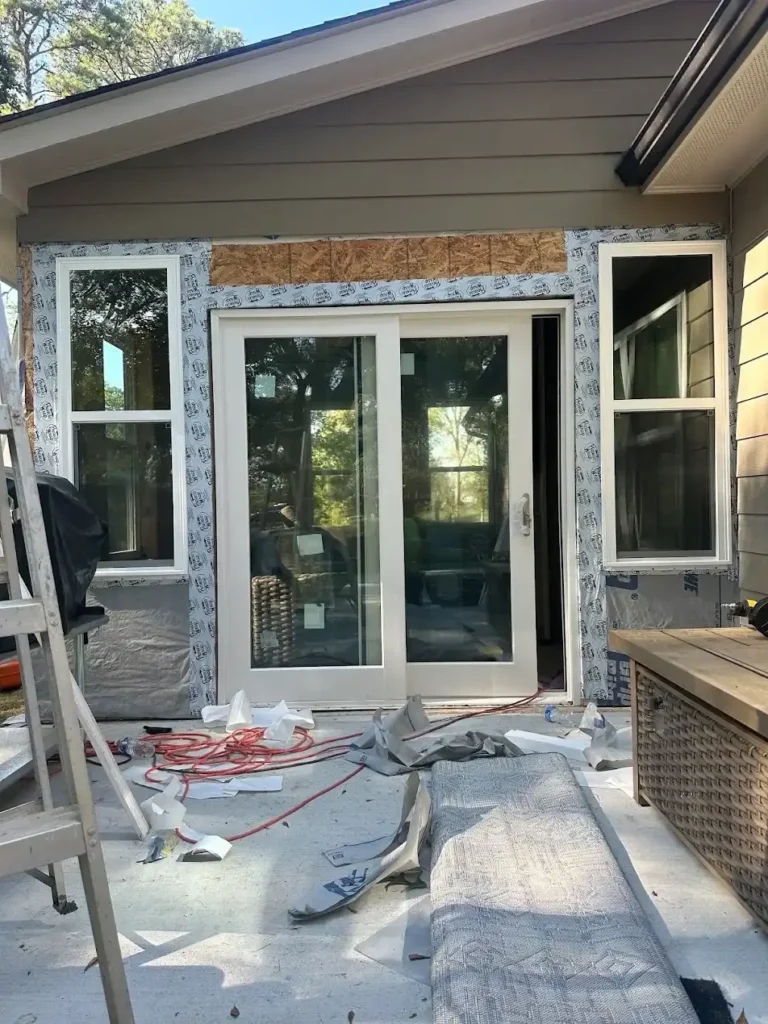
Common Challenges and How to Overcome Them
No renovation is perfect. Knowing the common pitfalls can help you stay ahead of them.
1. Permit Delays
Local building departments can be slow. A general contractor should handle the permit process, but you should build a “buffer” of 2-4 weeks into your timeline to account for bureaucratic delays.
2. Backordered Materials
The global supply chain can still be unpredictable. Choose your “long-lead” items,like custom cabinets, windows, and high-end appliances,as early as possible. Do not demo your kitchen until you know your new cabinets have arrived at the warehouse.
3. “Scope Creep”
This happens when you say, “While you’re here, can you also…?” Small additions to the project can quickly balloon your budget and timeline. If you want to add tasks, refer back to your contingency fund and decide if it’s truly a priority.
Putting Your Home Renovation Strategy into Action
A complete home renovation company is a marathon, not a sprint. It requires a blend of creative vision, financial discipline, and logistical management. By following a logical sequence, starting with clear goals, a realistic budget, and a solid design,you can avoid the chaos that often plagues unplanned projects.
Remember that the success of your renovation isn’t just measured by the final photos, but by the quality of the work behind the walls and the improved functionality of your daily life. Treat this guide as your reference point. Refer back to the construction sequence when you feel overwhelmed, and use the budget tables to keep your spending on track. Your home is likely your largest asset; investing in it wisely through a thoughtful renovation is a choice that will pay dividends in both comfort and equity for years to come.
Need Expert Guidance?
Navigating a full-scale remodel is a complex task that requires professional oversight to ensure safety, quality, and compliance. If you are looking for a partner to help bring your vision to life, Rivas Renovations is here to help. From initial planning to the final walkthrough, Rivas Renovations provides the expertise needed to transform your property into a space that perfectly reflects your style and needs.
To discuss your upcoming project or schedule a consultation, contact us at (470) 875-8102 or email us at rivasrenovationsinc@gmail.com.
Frequently Asked Questions About Home Renovation
Do I really need a permit for interior work?
In most jurisdictions, any work that involves structural changes, moving plumbing lines, or adding electrical circuits requires a permit. Cosmetic updates like painting, new flooring, or replacing a faucet usually do not. Skipping permits can cause major legal issues when you try to sell the home later.
How long does a full home renovation typically take?
A comprehensive renovation for a standard 3-bedroom home usually takes between 4 and 8 months. This depends on the scope of work, the availability of materials, and whether you are making structural changes.
Should I stay in my home during the renovation?
If you are doing a full-house remodel, it is highly recommended to move out. The lack of a functioning kitchen or bathroom, combined with construction dust and noise, can make daily life extremely stressful. If you must stay, renovate in phases so you always have one “clean zone.”
Which room should I renovate first?
If you are doing the house in stages, start with the “wet” rooms (kitchen and bathrooms). These are the most complex, the most expensive, and the most disruptive. Once the major plumbing and electrical work is done there, the rest of the house feels much easier.
How do I find a reliable contractor?
Start with referrals from friends or neighbors. Look for contractors who specialize in “full home” or “design-build” projects rather than just “handyman” services. Always verify their license through your state’s licensing board and check for a history of complaints.
Is it cheaper to renovate or build new?
Generally, renovating is cheaper if the “bones” of the house, the foundation, framing, and roof, are in good condition. However, if a house requires extensive structural repair and a total gut, the cost per square foot can sometimes approach the cost of new construction.
Sources
- Remodeling Magazine 2024 Cost vs. Value Report – An authoritative annual study comparing the cost of popular remodeling projects with the value they retain at resale.
- National Association of Home Builders (NAHB) – A leading trade association providing data on housing trends, consumer preferences, and construction standards.
- National Association of Realtors (NAR) – The primary source for real estate market statistics and insights into what drives property value and buyer interest.