
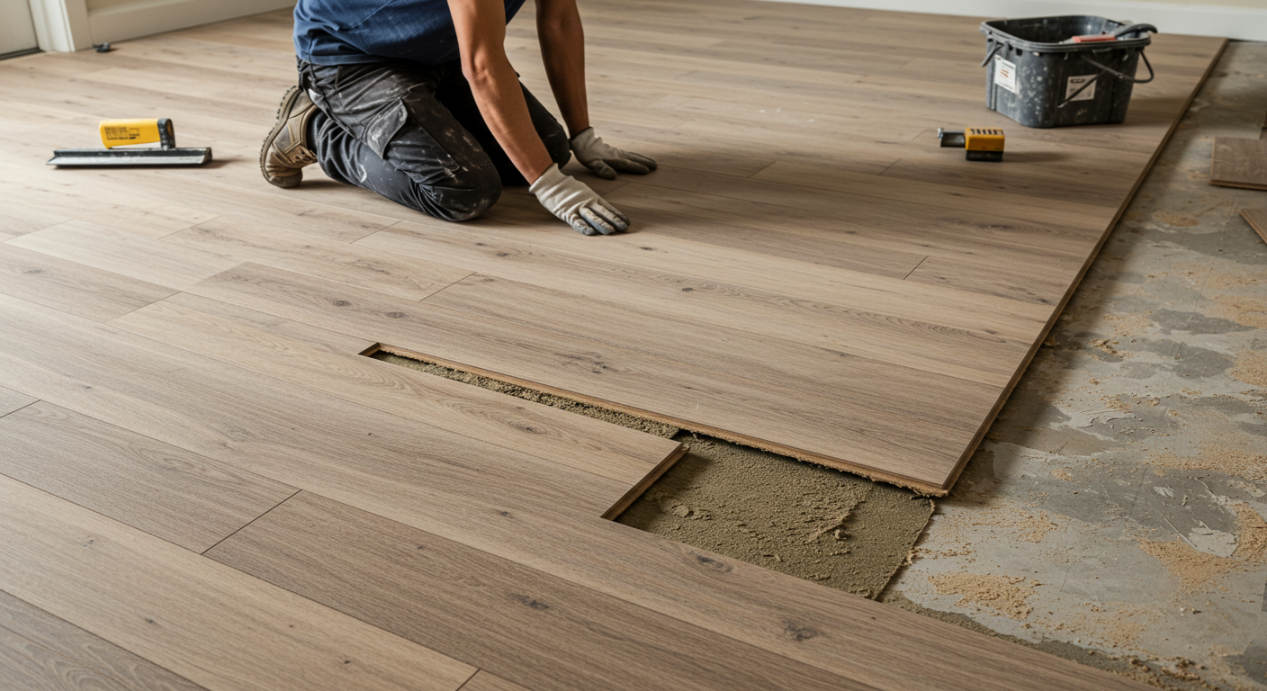
Installing a high-quality deck involves careful planning, precise material selection, and adherence to building codes. This guide from an expert deck installation company covers every stage, from initial design concepts and structural requirements to selecting durable materials that ensure long-term comfort and a functional outdoor living space.
- Effective design balances aesthetics with local climate requirements, ensuring your deck remains usable and visually appealing throughout changing seasons.
- Selecting the right material, whether natural wood or composite, directly dictates your maintenance schedule and the overall lifespan of the structure.
- Prioritizing structural integrity through proper foundation work and framing prevents common issues like sagging, rot, or safety-related board detachment.
- Strategic placement of features such as seating, lighting, and transitions creates an outdoor environment that functions as a natural home renovation extension.
Planning Your Outdoor Project
Before you break ground, you need a solid vision. A successful project starts by evaluating how you intend to use the space. Do you need room for large family gatherings, or is a small, quiet retreat more appropriate? Understanding your functional goals determines the size, layout, and necessary permits.
Defining the Scope and Budget
Budgeting goes beyond just the cost of lumber or decking boards. You must account for hardware, foundation materials, labor, and potential permit fees. A well-planned budget prevents mid-project surprises.
Key Takeaways: Planning Fundamentals
- Verify zoning laws and HOA restrictions before finalizing any design elements.
- Identify your primary use cases to determine the optimal deck size and layout.
- Allocate at least 15 percent of your budget for unexpected site conditions or material cost fluctuations.
Choosing the Right Deck Size and Layout
The size of your deck should match both your property and the activities you plan to host. Measure the available outdoor area before deciding on the final dimensions, and leave enough space for comfortable movement around furniture, grills, stairs, and entry doors.
Think about traffic flow as well. A deck used for family gatherings may need wider open areas, while a smaller deck can focus on seating and relaxation. Planning these details early helps prevent an oversized or cramped design and makes the finished space easier to use.
Material Selection
Your choice of decking material is the most significant factor affecting maintenance and durability. The market offers a wide range of options, each with specific strengths.
| Material Type | Durability | Maintenance | Cost |
|---|---|---|---|
| Pressure-Treated Wood | Moderate | High (Staining/Sealing) | Low |
| Cedar/Redwood | High | Moderate | Moderate/High |
| Composite/PVC | Very High | Low (Cleaning Only) | High |
Comparing Wood and Alternatives
Pressure-treated wood remains a popular choice for Residential Deck Construction due to affordability. However, natural wood requires regular maintenance to prevent warping and graying. In contrast, as shown in the table above, composite materials offer a longer lifespan with minimal upkeep, making them an attractive long-term investment.
The Construction Process
Every Deck Installation Company follows a series of non-negotiable steps to ensure safety and longevity. Ensuring structural stability begins at the ground level, where foundational integrity dictates the longevity of the entire build.
Foundation and Framing
The foundation is the base of everything. Concrete footings must reach below the frost line to prevent heaving during winter. Once the footings are set, the ledger board must be properly attached to the house with appropriate flashing to prevent water intrusion.
Expert Tip: Always use joist tape on top of your frame before laying the deck boards. This simple step protects the wood from moisture and significantly extends the life of your framing.
Decking Installation and Finishing
Once the frame is secure, the surface boards are installed. Whether using hidden fasteners or traditional screws, maintaining consistent spacing is vital for drainage and airflow. Finishing touches like railing systems and stairs should meet local code heights and grip requirements.
Deck Drainage and Water Management
Proper drainage protects both the deck structure and the house. Water should have a clear path away from the building rather than collecting around posts, footings, or the ledger board.
Leave appropriate spacing between deck boards to allow rainwater and debris to pass through. Keep gutters and downspouts directed away from the foundation and deck structure. Good airflow underneath the deck also helps the framing dry after rainfall.
Addressing drainage during construction is much easier than correcting water-related damage after the deck is complete.
Ensuring Durability and Comfort
A deck should do more than just exist; it should be comfortable. Durability is achieved through moisture management, while comfort comes from the thoughtful integration of amenities.
Enhancing Outdoor Living
Consider how sun exposure affects your comfort. South-facing decks may require pergolas or shade sails to remain usable during peak summer hours. Furthermore, thoughtful placement of electrical outlets and low-voltage lighting allows you to use your space well into the evening.
Market Data on Outdoor Trends
Investing in outdoor decking solutions often yields a high return. According to a cost-versus-value report from Remodeling Magazine, homeowners can frequently recover a significant portion of their investment in wood decking upon the sale of their home. Additionally, data from the American Institute of Architects indicates that demand for integrated outdoor living spaces remains at record highs, as residents prioritize functional home extensions.
Common Installation Challenges
Even professional home renovation experts face obstacles. The most common issues arise from poor moisture management and improper fastening.
- Water Pooling: Ensuring the deck has a slight slope away from the house prevents water from accumulating near the ledger.
- Corrosion: Using incompatible metal fasteners with pressure-treated lumber can lead to rapid corrosion. Always ensure your hardware is rated for your specific material type.
Deck Maintenance and Inspection
Regular inspections help extend the life of your deck and identify problems before they become major repairs. Check the boards, railings, stairs, fasteners, and support structure for signs of movement, cracking, rot, or corrosion.
Wood decks may need periodic cleaning, staining, or sealing to protect them from moisture and sunlight. Composite decking generally requires less maintenance but should still be cleaned regularly to remove dirt, leaves, and stains.
Pay particular attention to areas around stairs, railings, and the house connection. These locations experience frequent use and should remain secure throughout the life of the deck.
Future Trends in Decking
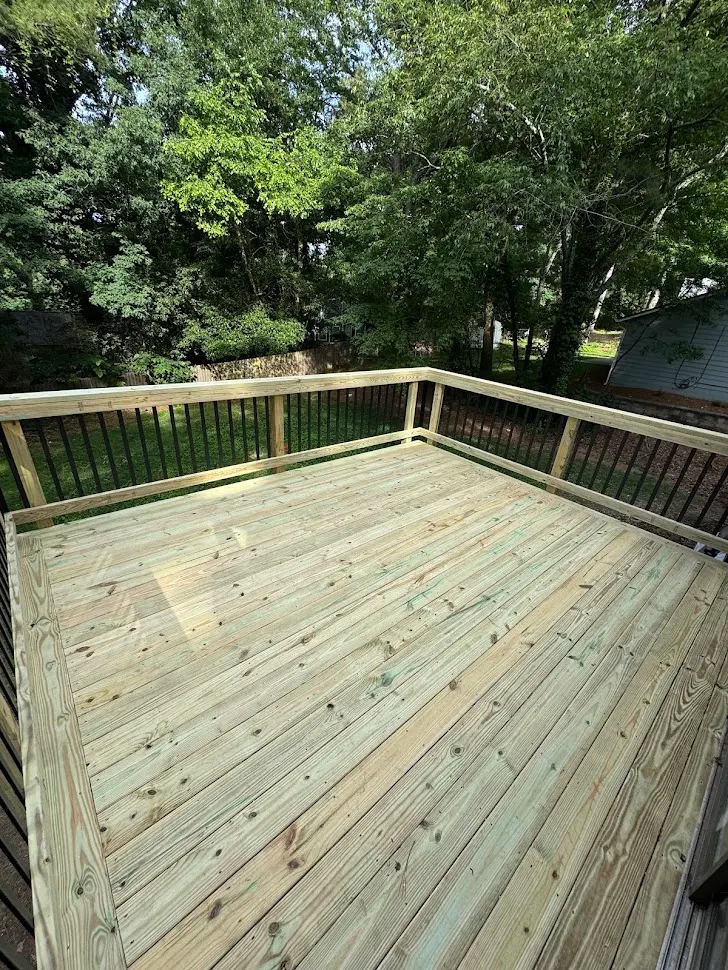
The industry is shifting toward more sustainable and high-performance materials. Manufacturers are increasingly using recycled plastics and bio-based fibers to create boards that mimic natural wood grain while offering superior resistance to mold and stains.
Expert Tip: Consider incorporating vertical features like planter boxes or privacy screens made from the same material as your deck to create a cohesive design aesthetic.
Putting Your Outdoor Living Strategy into Action
Building a durable and functional deck requires balancing material selection, structural precision, and lifestyle design. By focusing on quality footings, proper moisture protection, and materials that suit your maintenance preferences, you create a space that adds value and enjoyment to your residence. Use this guide as a reference throughout your project to ensure every detail meets high standards of craftsmanship and safety.
Need Expert Guidance?
If you are ready to move forward with your project and need professional help with custom deck design or outdoor decking solutions, Rivas Renovations is here to assist. We specialize in creating high-quality structures that stand the test of time. Feel free to contact us at (470) 875-8102 or send your project details to rivasrenovationsinc@gmail.com to start a consultation. We look forward to helping you build the ideal outdoor environment for your home.
Frequently Asked Questions About Deck Installation
Do I need a permit for a new deck?
Yes, most municipalities require permits for Deck Installation Services. Always check with your local building department before starting, as codes vary by location.
How often should I clean my deck?
Composite decks typically need a soap-and-water cleaning once or twice a year. Natural wood requires more frequent attention, including power washing and staining every two to three years.
What is the average lifespan of a deck?
With proper maintenance, a pressure-treated wood deck can last 15 years, while high-end composite materials often last 25 to 30 years or more.
How can I make my deck safer?
Ensure your railings are at the code-mandated height and that all stairs include handrails. Regular inspections for loose boards or rusty fasteners keep the space safe.
Can I build a deck over an existing patio?
It is possible, provided the patio is structurally sound and level. You must ensure proper drainage so water does not get trapped under the new deck frame.
Sources
- Remodeling Magazine – Provides annual Cost vs. Value reports analyzing the return on investment for various home improvement projects, including decking.
- American Institute of Architects – A professional organization that tracks architectural trends and residential design preferences, including the rise in demand for outdoor living spaces.